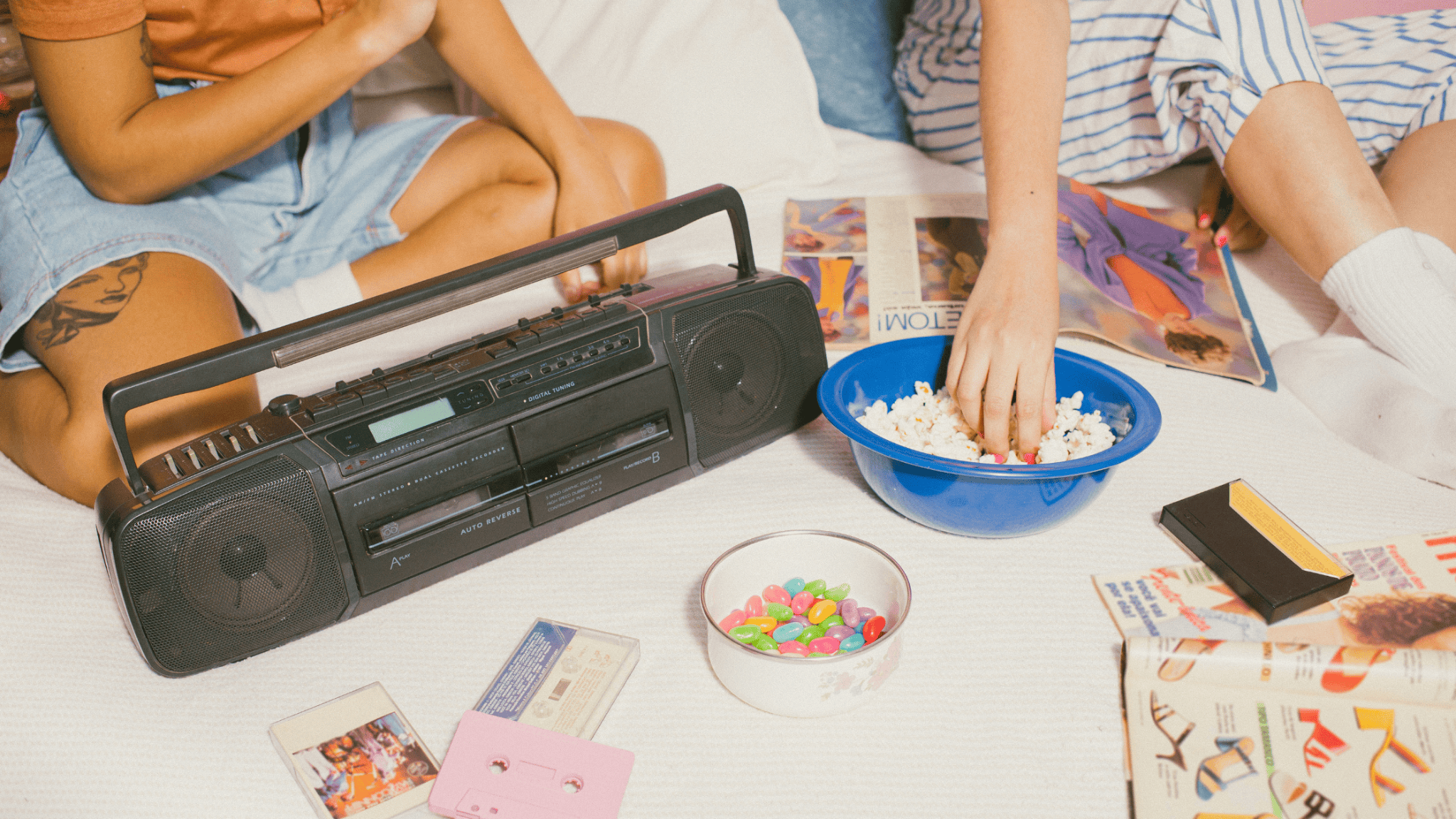
What Is Nostalgia Marketing? Why Brands Keep Looking to the Past
You aren’t imagining it. Marketing is looking suspiciously familiar lately.
Old logos are coming back. Digital cameras are cool again. Brands are resurrecting products we haven’t thought about in years. Campaigns look like vintage ads. Y2K has somehow returned despite those of us who lived through it having photographic evidence that maybe it shouldn’t have.
We’re collectively rediscovering things we already discovered.
It’s called nostalgia marketing, and there’s a reason looking backward can be a very effective way to get someone’s attention today.
What is nostalgia marketing?
Nostalgia marketing uses familiar memories, aesthetics, products, sounds, traditions, or cultural moments from the past to create an emotional connection with an audience.
Sometimes it’s obvious: a brand brings back an old logo, rereleases a discontinued product, or references a movie everyone remembers.
Other times it’s subtle. Photography looks like it came from another decade. Packaging gets a retro redesign. An old song suddenly becomes the soundtrack to a new campaign.
The goal isn’t necessarily to sell the past. It’s to borrow the feelings attached to it.
Why does nostalgia marketing work?
Because familiar things already mean something to us.
We bring memories, associations, preferences, and experiences with us when we see an advertisement or piece of content. Research on nostalgia and consumer behavior has linked nostalgic feelings with social connectedness and stronger relationships with brands.
In normal-person language: nostalgia gives marketing an emotional head start.
You recognize the song. The packaging. The reference. The feeling.
That recognition can be enough to make someone stop and pay attention, especially when they’re scrolling past hundreds of other things competing for the same few seconds.
Nostalgia can also create a sense of shared experience. Sending your friend something with “DO YOU REMEMBER THIS?” attached is practically its own genre of internet communication.
For brands, that familiarity can turn an advertisement into something people actually want to talk about or share.
Why is nostalgia marketing everywhere right now?
Social media has given old culture a very long shelf life.
Old songs become trending audio. Shows find new audiences years later. Fashion trends disappear just long enough for us to donate everything before inevitably returning.
And you don’t necessarily have to remember an era firsthand to be drawn to it.
Someone who never experienced the early 2000s can still buy a digital camera from 2003, embrace Y2K fashion, and recreate an aesthetic they know primarily through the internet.
The past isn’t just being remembered. It’s constantly being rediscovered.
That gives marketers a huge library of familiar ideas, aesthetics, and references to pull from.
What does nostalgia marketing look like?
It doesn’t have to mean slapping a VHS filter over your Reel and calling it strategy.
Some of the best nostalgia marketing happening right now isn’t simply recreating something old. It’s taking something familiar and finding a way to make it relevant again.
Gap + Hailey Bieber: bringing 1996 into 2026
For its 2026 collaboration with Hailey Bieber, Gap went straight back to 1996.
The limited-edition denim collection was inspired by vintage Gap jeans and the relaxed style of the late ’90s. The campaign carries that nostalgia through the details too, from minimalist imagery inspired by classic Gap campaigns to The Cranberries’ “Linger” playing in the campaign film. Even the jeans include “1996” details, a nod to the year Bieber was born.
But the collection isn’t trying to recreate 1996 exactly. It’s filtering that era through Bieber’s current style and the way people want to wear denim now.
Why it works: Gap has a legitimate connection to the era it’s referencing. Instead of borrowing a retro aesthetic because it’s trending, the brand is pulling from its own history and introducing it to a current audience.

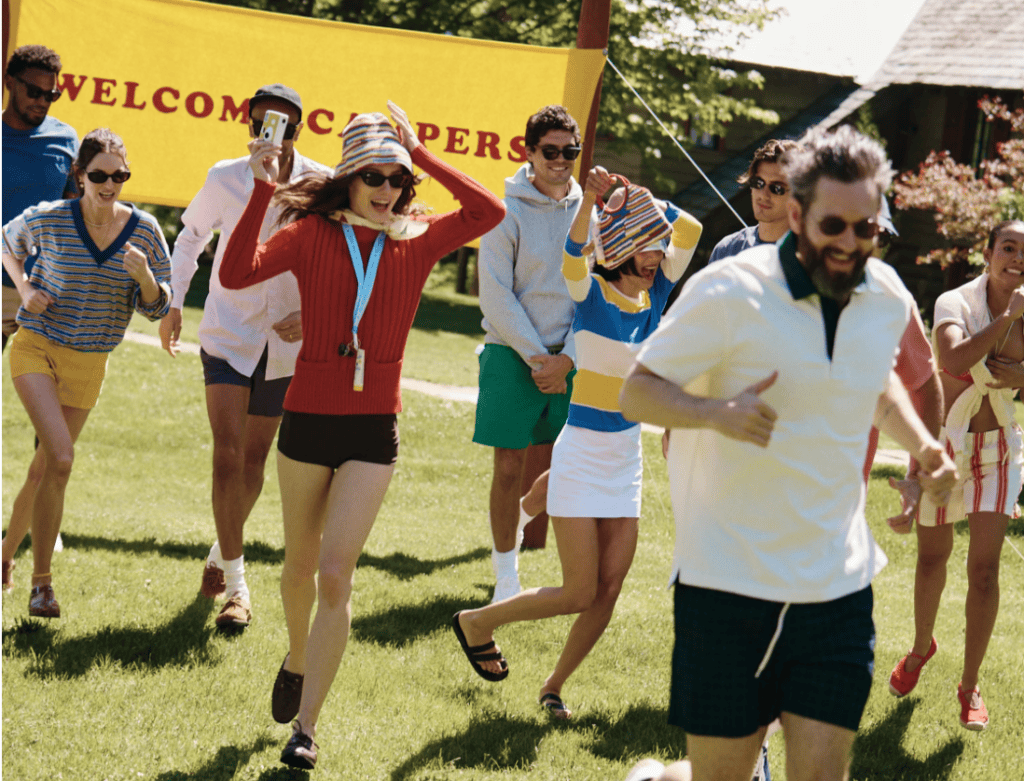
J.Crew: sending us back to summer camp
J.Crew’s 2026 Camp Crew campaign builds an entire world around the nostalgia of summer camp: canoes, bunk beds, campfires, colorful swimwear, rollneck sweaters, and the feeling that summer might actually last forever.
It also reunites Jasmine Tookes, Josephine Skriver, Martha Hunt, Sara Sampaio, and Taylor Hill, adding another layer of nostalgia for an audience that remembers them from the fashion world of the 2010s.
The result feels reminiscent of J.Crew’s iconic catalogs without simply recreating one.
Why it works: J.Crew isn’t referencing one specific nostalgic object. It’s selling a feeling people recognize. Summer camp, old catalogs, classic Americana, and familiar faces all work together to create an emotional world around a current collection.
Steve Madden: recreating iconic album covers
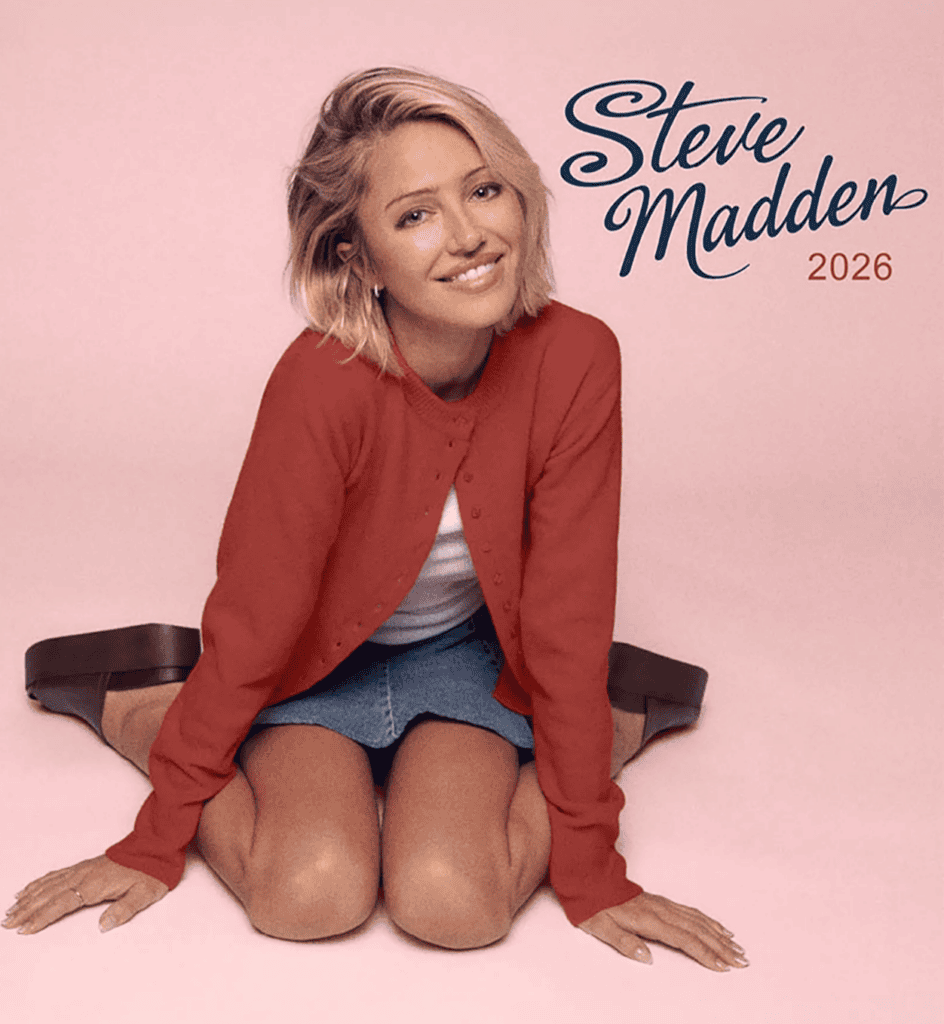
For festival season in 2026, Steve Madden looked to music history.
The brand recreated recognizable album covers while styling the imagery around its current festival footwear, including Britney Spears’ …Baby One More Time, Amy Winehouse’s Back to Black, Fleetwood Mac’s Rumours, and Bob Dylan’s The Freewheelin’ Bob Dylan.
The Britney Spears recreation is a particularly good example. The original 1999 album cover is immediately recognizable to the generation that grew up with it, while Steve Madden reimagines the visual with current styling and products for a new campaign.
Instead of simply borrowing a Y2K aesthetic, the brand gives people something they already recognize and then asks them to look again.
Why it works: The original imagery creates instant familiarity, while the new styling and products bring the reference into 2026. It’s nostalgia being used as the creative idea, not just the decoration.
How can small businesses use nostalgia marketing?
You don’t need Gap’s archives, J.Crew’s catalog history, or Steve Madden’s campaign budget to use nostalgia in your own marketing.
Small businesses can tap into the same idea by thinking about the memories and references their audience already shares.
That could look like:
- Recreating the style of a vintage advertisement
- Bringing back an old product, service, or design
- Giving your packaging a temporary retro makeover
- Referencing an era your target customer remembers
- Using an old photo from your business and recreating it today
- Revisiting your own early branding or content
- Building a campaign around a familiar seasonal tradition
- Using vintage-inspired photography, typography, or creative direction
- Creating a “then vs. now” piece of content
- Bringing back something customers have asked for
- Referencing old technology, magazines, catalogs, commercials, or internet culture
- Putting a current spin on something your audience grew up with
The important part is that the reference means something to the people you’re trying to reach.
You aren’t trying to make something look old.
You’re trying to make someone remember.
The past works best when you do something new with it
The strongest examples aren’t carbon copies of what came before.
Gap isn’t simply rerunning a 1996 advertisement.
J.Crew didn’t dig an old catalog out of storage and call it a campaign.
Steve Madden didn’t just repost Britney Spears’ album cover.
Each brand started with something familiar and reinterpreted it for the audience, product, and culture of today.
That’s the part worth borrowing.
You don’t need to invent something your audience has never seen before every time you market your business.
Sometimes the better question is:
What do they already know, remember, or love that I can show them in a new way?
Because looking backward can be a very good way to get someone to stop scrolling forward.
Sometimes looking backward is what makes someone stop
Marketing spends a lot of time chasing what’s next: the next platform, trend, format, tool, and thing we’re all apparently supposed to learn by Tuesday.
But getting someone’s attention doesn’t always require showing them something they’ve never seen before.
Sometimes it means showing them something they haven’t seen in a while.
And reminding them how it made them feel.


